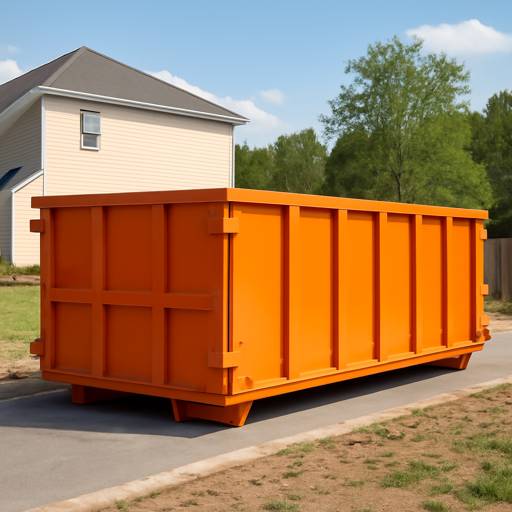
From weekend garage cleanouts to multi-phase commercial builds, a well-chosen roll off dumpster rental can turn a stressful pileup of debris into a smooth, scheduled haul-away. Across Missouri—whether you’re updating a century home in St. Louis, flipping a bungalow in Kansas City, tackling storm cleanup in Springfield, refreshing landscaping in Columbia, or managing a demolition in Jefferson City—having the right container on site keeps projects safe, efficient, and compliant. Modern providers make it simple: fast delivery, clear guidance on local rules, and multiple dumpster sizes to match the job. The result is less downtime, fewer trips to the landfill, and a cleaner worksite from day one.
How Roll-Off Dumpster Rentals Work—and How to Choose the Right Size
Roll-off dumpsters are rectangular containers delivered on a truck and “rolled” off into place on your driveway, jobsite, or designated location. They’re designed for easy loading—most have swinging doors—and are hauled away when full or at the end of your rental period. Choosing the right size is the key to saving time and money. Common options include 10-yard, 15-yard, 20-yard, 30-yard, and 40-yard containers. Smaller 10- and 15-yard dumpsters suit attic cleanouts, tight driveways, bathroom remodels, and small roofing jobs. The 20-yard size is often the “just right” pick for kitchen renovations, flooring removal, medium roof tear-offs, and light construction. Larger 30- and 40-yard bins shine for whole-home remodels, estate cleanouts, bulky furniture disposal, and commercial or demolition debris.
Matching the bin to debris type matters just as much as volume. For example, dense materials like concrete, dirt, asphalt, and brick can hit weight limits quickly—often making a 10- or 15-yard container a safer and more economical choice for heavy loads. On the other hand, bulky but lighter materials—such as drywall, wood framing, furniture, and packaging—are ideal for 20-, 30-, or 40-yard bins. If your project spans phases, scheduling multiple swaps can keep operations moving and prevent overfilling. In Missouri, typical delivery is straightforward: confirm placement, clear space for the truck, and protect delicate surfaces with plywood if needed. Most homeowners choose driveway placement, while contractors may coordinate drop zones near staging or demolition areas.
Be sure to ask about rental duration, included weight, and potential overage fees so your budget remains predictable. Transparent pricing usually outlines the base rate, weight allowance, additional days, and charges for contamination or restricted items. Not sure where to start? This guide to roll off dumpster rental in Missouri covers sizes, debris rules, and local placement tips to help you choose with confidence. With a clear plan, your container turns into a jobsite workhorse: easy delivery, safer workflows, and reliable, on-time pickup.
Missouri Rules, Permits, and Best Practices for Safe, Legal Disposal
Beyond size selection, projects in Missouri benefit from understanding local placement rules and disposal standards. If your dumpster sits on private property—like a driveway—you typically won’t need a permit. But placing a container on public right-of-way areas (streets, alleys, sidewalks) can require a city permit or advance notification. Because requirements vary, especially between St. Louis, Kansas City, Springfield, Columbia, and Jefferson City, it’s smart to confirm before delivery. If your neighborhood has a homeowners association, review guidelines for placement, timing, aesthetics, and access to ensure smooth scheduling and avoid fines.
Knowing what can and cannot go in the bin protects you from added fees and keeps your project fully compliant. Most construction debris, remodeling waste, household junk, and yard waste are acceptable, but many municipalities restrict liquids, hazardous chemicals, batteries, tires, and certain electronics. Paint, solvents, and fuels are commonly prohibited; so are appliances with refrigerants unless properly prepared. In Missouri, separating heavy materials—like concrete and brick—from general debris helps keep weight in check and can streamline disposal. Yard waste may require a dedicated bin or special handling, depending on your locality’s rules.
For contractors and DIYers alike, a few best practices keep costs low and workflows smooth. Load evenly to distribute weight and prevent overweight fees. Break down bulky items and flatten boxes to maximize space. Keep material below the container rim so drivers can tarp loads safely. If you expect a roof tear-off, estimate shingles by the square and confirm whether the dumpster is suitable for asphalt shingles or a mixed load with underlayment and decking. For storm cleanup, ask about surge scheduling after severe weather; an early reservation helps secure the right size and timely swaps. Lastly, verify drive clearance: measure height for tree limbs and wires, confirm space for the truck to maneuver, and place boards to protect decorative or soft surfaces. Clear rules, careful loading, and local awareness make roll-off dumpsters a fast, legal, and stress-free solution.
Real-World Missouri Scenarios: From Home Cleanouts to Big-Dig Construction
Household projects across Missouri often start with a single goal: get clutter and debris out—fast. A Kansas City homeowner clearing a basement before a remodel might book a 15-yard dumpster for broken shelving, old carpet, and boxes, then add a quick swap when framing and drywall debris pick up. In St. Louis, a roofing crew tackling a two-day asphalt shingle tear-off may opt for a 20-yard bin placed near the driveway edge for quick toss-in from a chute, staying under weight limits by avoiding wood scraps and mixing only allowed underlayment. The same 20-yard size also suits a Columbia kitchen redo: cabinets, counters, and tile all fit when items are broken down and loaded evenly to maximize volume.
Landscaping and exterior projects benefit from the right container, too. In Springfield, a yard overhaul—tree trimming, sod removal, fencing replacement—may call for a 10- or 15-yard dumpster labeled for green waste. Keeping yard debris separate from general trash avoids contamination fees and supports proper processing. For concrete jobs, such as replacing a driveway in Jefferson City, a 10-yard container limits weight risk while providing efficient hauling for broken slabs. Contractors often schedule multiple dumps throughout the day to keep saws and breakers moving without pause.
Large-scale construction and demos require coordinated timing and capacity. A renovation of a multi-unit property in St. Louis might run two 30-yard containers on rotation: one staged for interior gutting (drywall, cabinets, flooring) and a second for framing and exterior debris. On a commercial job in Kansas City, a 40-yard bin can handle bulky packaging, pallets, and demolition waste—paired with a separate smaller dumpster for heavy materials to avoid weight overages. Weather and logistics matter, so planning for rain, snow, or muddy approaches helps drivers position containers safely. Crews protect asphalt or pavers with plywood, keep the gate clear for loading larger items first, and monitor fullness so pickup is scheduled before materials crest past the rim.
Every scenario underscores the same principles: pick the right size, match the bin to the debris, follow local placement and permit rules, and load smart. With transparent pricing, clear communication, and responsive swaps, a well-managed roll off dumpster rental keeps Missouri projects running on time—from single-room refreshes to ground-up builds—while safeguarding budgets and ensuring clean, compliant results.

Guangzhou hardware hacker relocated to Auckland to chase big skies and bigger ideas. Yunfei dissects IoT security flaws, reviews indie surf films, and writes Chinese calligraphy tutorials. He free-dives on weekends and livestreams solder-along workshops.