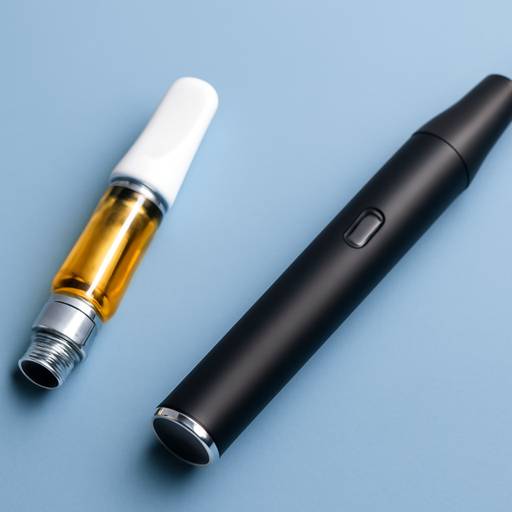
The landscape of psychedelic exploration has undergone a radical transformation, with the N,N-Dimethyltryptamine market evolving far beyond its traditional forms. Today, the most sought-after products among experienced psychonauts are DMT cartridges for sale, representing a confluence of modern vaporization technology and ancient shamanic medicine. These pre-filled vape cartridges offer a discrete, measured, and accessible entry point for those seeking the profound, near-instantaneous experiences that DMT is known to induce. Unlike the raw crystalline powder or ayahuasca brews, these cartridges simplify the process of vaporization, removing the need for specialized dab rigs or the intense thermal management required to avoid burning the delicate spice. The convenience factor cannot be overstated. Users can achieve a breakthrough experience, often called "blasting off," with a simple draw from a standard 510-thread battery. This ease of use has fundamentally shifted the demographic of users, moving the experience from the underground ceremony to the private living room. However, this shift also brings critical questions about product quality, purity, and dosage consistency. The market for these cartridges is inherently decentralized, often operating through private channels, online forums, and discreet retailers. As a result, understanding the nuances of what makes a high quality product is essential for both safety and efficacy. A properly prepared cartridge uses DMT freebase that is meticulously crystallized and then dissolved into a specific e-liquid blend, typically involving propylene glycol (PG) or a mix of PG and vegetable glycerin (VG) to prevent separation and ensure a smooth vapor. The viscosity must be perfect—too thin, and the cartridge leaks; too thick, and the vaporization becomes harsh and inefficient. This section will dissect the current state of the dmt cartridges for sale market, focusing on chemical composition, extraction methodology, and the critical eye needed to discern a genuine product from a dangerous adulterated concoction.
The Chemistry of Craftsmanship: Quality Control in DMT Cartridges
The foundational element of any reputable DMT cartridge is the purity of the active compound itself. N,N-DMT is a fragile molecule, susceptible to oxidation and degradation when exposed to heat, light, and air over prolonged periods. For a cartridge to perform reliably, the base material must be pharmaceutical grade. This begins with the extraction. Lye-based extraction techniques, while common, must be executed with surgical precision to prevent residual sodium hydroxide or naphtha from contaminating the final product. A contaminated cartridge is not just unpleasant; it is dangerous, potentially causing chemical pneumonia or severe lung irritation upon vaporization. In the context of DMT cartridges for sale, the ideal product utilizes a solventless or, at the very least, a fully purged extract. The subsequent step of dissolution is equally critical. The solubility of DMT freebase is significantly higher in PG than in VG. A common mistake among amateur manufacturers is using a high VG ratio to create larger clouds, which results in DMT recrystallizing inside the coil, leading to clogging and uneven dosage. The perfect ratio for a consistent experience is typically a 70/30 or 80/20 blend of PG to VG, often with a small addition of distilled water to further thin the mixture without diluting the active content. Furthermore, the hardware itself is a variable. The ideal cartridge uses a ceramic coil, not a silica wick or traditional kanthal wire. Ceramic coils provide a more even heat distribution, reducing the risk of hot spots that can burn the DMT and produce carcinogenic pyrolysis byproducts. A high-quality cartridge will have a resistance of 1.4 to 1.8 ohms, allowing for a low-wattage, slow heat-up that vaporizes the DMT efficiently rather than combusting it. The user must also consider the concentration. "Standard" ratios range from 250mg to 500mg of DMT per 1ml of liquid. A 500mg/ml cartridge is potent enough for a single-hit breakthrough for a seasoned user, while a lower concentration is preferable for microdosing or gradual threshold experiences. Always look for products that specify their exact mg/ml content; a lack of transparency is a red flag for a substandard or dangerous product.
Navigating the Pharmacological and Psychological Terrain
Understanding the experience of a DMT cartridge requires a brief dive into the compound's unique pharmacology. DMT is a serotonergic psychedelic, specifically an agonist at the 5-HT2A receptor. What makes it extraordinary is its rapid onset and short duration. Inhaled via a cartridge, the effects are felt within 15 to 30 seconds, reaching a peak intensity within two to five minutes, and largely subsiding after 20 to 30 minutes. This temporal compression is what makes the experience so jarring and profound. Unlike a six-hour LSD trip, DMT catapults the user out of consensus reality and into a hyperdimensional space that often feels more real than waking life. The vaporizer cartridge, particularly the ease of taking a massive single hit, has changed the psychological architecture of the trip. With raw DMT, the act of lighting a pipe, tasting the acrid smoke, and holding the flame requires a deliberate effort that allows the user to "arm wrestle the ego" for a moment of preparation. The cartridge, by contrast, offers a smooth, almost palatable vapor that can lead to unprepared breakthroughs. This is a double-edged sword. On one hand, it allows for a gentler physical experience. On the other, it eliminates the cognitive buffer of the harsh act of smoking. Users report that the cartridge breakthrough is often smoother physically but potentially more disorienting psychologically. The concept of the "waiting room" is central here. Many users describe the initial stages of a DMT trip as a "waiting room"—a geometric, luminescent space where one perceives the presence of "machine elves" or other entities. The cartridge delivery system often allows for a more prolonged "sweet spot" in this space, where the user can maintain a breakthrough state without immediately snapping back to baseline. For therapeutic applications, this control is invaluable. However, it also requires a strict set of personal practices. Set and setting become paramount. The user must ensure they are in a safe, comfortable environment with a sober sitter present, as the physical body can become incapacitated. The ease of use of these cartridges has also led to discussions about dose titration. Traditional smoking methods make it difficult to meter a dose. A cartridge, with a standard battery voltage, allows a user to take a two-second draw for a mild threshold experience or a ten-second draw for a full ego dissolution. Understanding this sliding scale is essential for harm reduction. The user is not just buying a product; they are buying a key to a psychological door, and the knowledge of how to turn that key safely is the most important accessory.
Real-World Case Studies and Market Dynamics
To illustrate the practical realities of the DMT cartridge market, it is useful to examine several anecdotal case studies from online harm-reduction communities and ethnographic reports from the underground market. A prominent case study involves a user in the Pacific Northwest who purchased a cartridge labeled as "Changa juice." Upon analysis by a third-party reagent testing service, the cartridge was found to contain not only DMT but a significant percentage of synthetic cannabinoids (specifically a compound similar to JWH-018). This adulteration is a known risk. Unscrupulous manufacturers cut pure DMT with lab-made cannabinoids to stretch the product or to create a more intense "body load" that the uninitiated might mistake for potency. The result for the user was a trip characterized by severe anxiety, tachycardia, and a lingering dysphoria that lasted hours, far beyond the normal DMT duration. This case highlights the critical need for fentanyl and adulterant testing strips, even for psychedelic products. Another case study from a medically supervised psychedelic integration group in Brazil examined the use of standardized cartridges for treating end-of-life anxiety. In this controlled setting, the patient used a 250mg/ml cartridge, taking 2-3 small puffs over a ten-minute period. The patient did not break through to the hyperspace but instead experienced a state of acute emotional clarity and acceptance. They reported visual patterns of interconnected living geometry and a dismantling of their fear of death. This clinical use demonstrates the potential of the cartridge format for precise, repeatable therapeutic dosing, which raw crystal cannot easily achieve. From a market perspective, the logistics of distribution are fascinating. The dark net market playbook has evolved. Sellers now use encrypted messaging apps, pseudonymous accounts on social media, and heavily gated Discord servers. The price per cartridge varies wildly, from $60 to $200 for a 1ml unit, depending on the concentration and the brand's reputation. A key differentiator in this space is the *visual authentication* of the product. High-end sellers include a specific, unreproducible sticker or a photograph of the cartridge with a unique handwritten serial number to prevent counterfeiting. There is also a growing movement toward "green" extraction, using ethanol instead of naphtha, which reduces the carbon footprint of synthesis. These real-world dynamics create a landscape where the buyer must be both a detective and a chemist. The proliferation of DMT cartridges for sale has democratized access to the molecule, but it has also exponentially increased the risk of encountering a product that is not what it claims to be. The only safeguard is relentless information gathering, reagent testing every batch, and sourcing from vendors who actively participate in open dialogue about their processes. The cartridge is just a vessel; the integrity of the spirit inside is defined by the integrity of the person who made it.

Guangzhou hardware hacker relocated to Auckland to chase big skies and bigger ideas. Yunfei dissects IoT security flaws, reviews indie surf films, and writes Chinese calligraphy tutorials. He free-dives on weekends and livestreams solder-along workshops.